New Bike Review: Allied Able
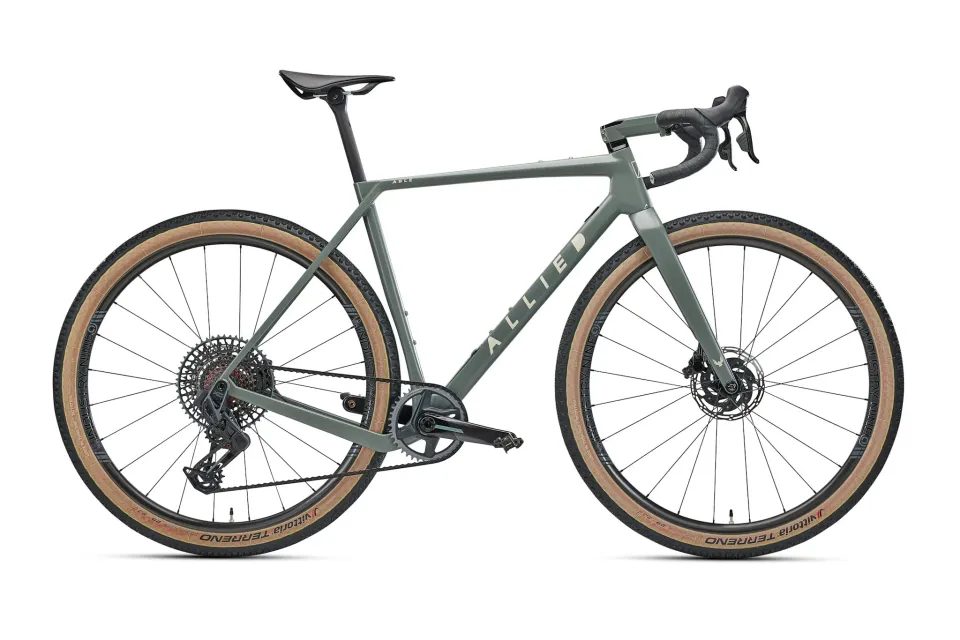
The new Allied Able is one of a few "big tire" drop-bar bikes that have started to make a splash in the gravel space. It is essentially a gravel bike with MTB tires (but specifically designed for big tires and how they affect geometry, handling, etc.). The Allied Able is NOT an "adventure" gravel bike that might feel slow and clumsy. The Able is a "race bike" built to go fast (even though it is comfortable on a wider range of terrain, too!).
I've been riding the Force Mullet build since late summer and I am a fan!
Overall Ride Feel
Over the past several years I have been exclusively riding a fast XC MTB (Specialized Epic), even on road rides. So in some ways, I am already a fan of big tires (or at least it has become the normal for me).
Even though I have spent a lot of time recently on a MTB, I have put in plenty of miles on more typical or more race-focused gravel setups. I have ridden a few BWR events and Unbound on a Scott Addict Gravel with 35-38mm tires in addition to many hours on the local roads and trails around Boulder. I also rode cyclocross bikes on the dirt and gravel for years before the gravel revolution started.
Obviously, riding the Able is a faster option for pavement and dirt roads even though my MTB setup caters to longer, faster, non-technical riding (think Leadville, Betasso Reserve, and some of the more mild trails in the Breckenridge area). The Able is lighter and more aero, so it is faster on climbs and the flats.
The Able also shines on some of the rough 4WD roads in the Boulder area (think Switzerland Trail). It definitely floats over these rocky & bumpy roads much quicker and more comfortably than a small-tire gravel setup.
Usually the big question is: but is it slower than a "standard" gravel bike everywhere that you don't need bigger tires? I don't have any data to back up my opinion (but there are plenty of YouTube videos that try to objectively determine this), but I don't think so. If it IS slower in some circumstances, it is probably nominally so and any losses might be cancelled out by the benefits elsewhere.
As it turns out I don't really enjoy riding terrain where I have to white-knuckle it or be super careful about line selection. In my opinion, worrying about damaging the bike or myself just sucks the fun out of the ride. The Able simply increases the amount of terrain I can ride and have fun!
Furthermore, I find MTB tires to be MUCH more durable and puncture resistant than gravel tires. I have probably only punctured a MTB tire a few times in the last 3 decades. I hate getting punctures mid-ride or race, so cutting this risk down is great!
On the whole, I really like the way this bike rides. It is simply the most capABLE gravel bike I've ever ridden.
 AlliedCycleWorkscom-dev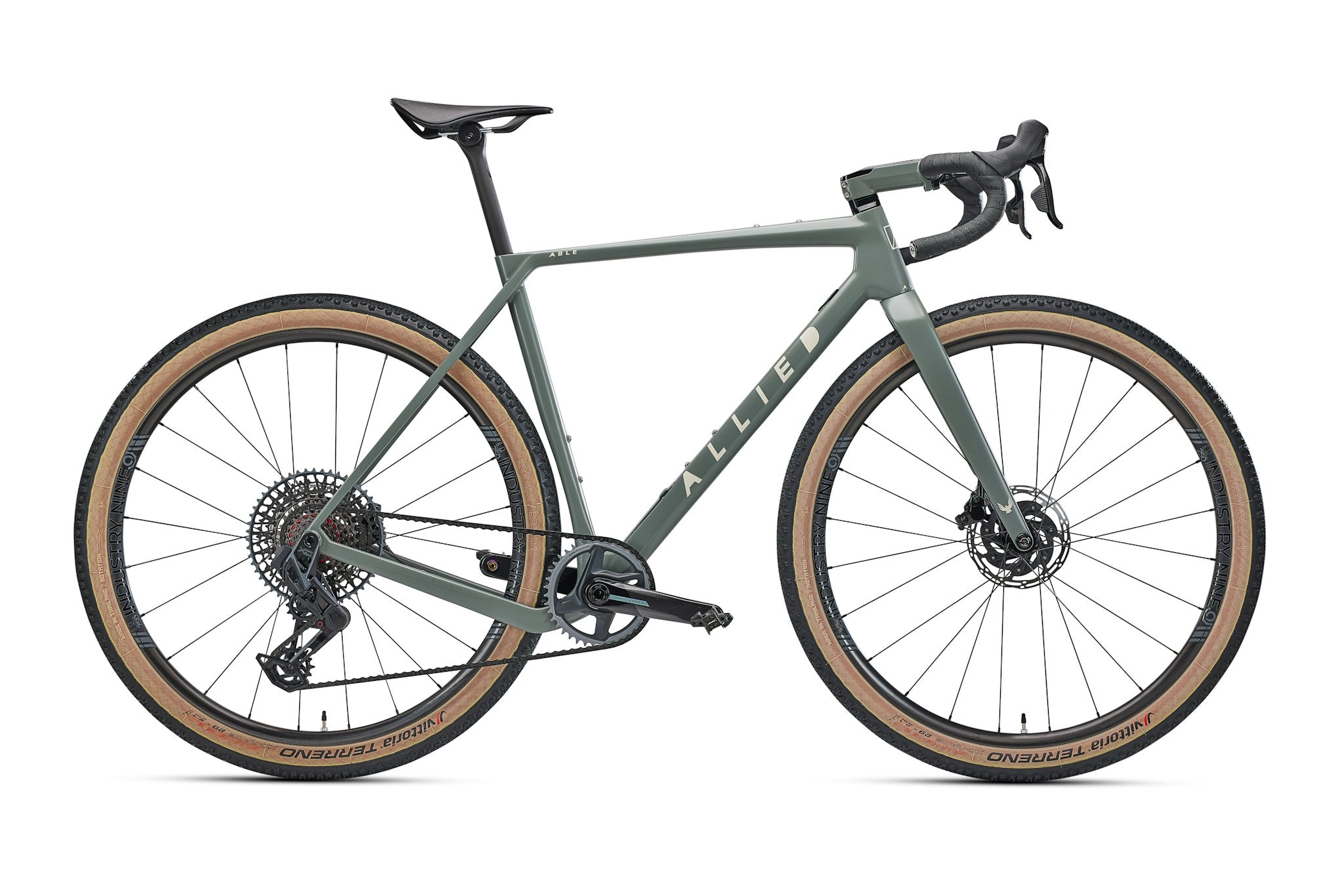
Big Tires
The Allied Able is all about big tires. It's designed to run 2.25" MTB tires (ERTO/ISO 57-622) which are 57mm wide vs. a more typical gravel offering of 38-45mm.
Pros:
- lower pressure and greater comfort
- usually better grip
- suitable for a wider range of terrain, i.e., better on the rougher stuff
Cons:
- usually a heavier tire
- usually a slower tire on smoother surfaces (but there are some very fast rolling MTB tires that neutralize this disadvantage)
- usually slower due to increased wind resistance (but apparently it's not only about size) See this video from Ben Delaney, The Ride: https://www.youtube.com/watch?v=aFDQiyshF7M
Although a MTB version of any tire will generally be more capable than it's smaller gravel version, not all tires and treads are created equal. I have spent several years on Continental Race Kings and 2025 on Continental Cross Kings. These tires handle much better than the tires that came on the Allied (a semi-slick Vittoria tire). Looking forward to wearing out the Vittorias to see how much better the bike rides with tires I know and like.
 Street Wise Arts
Bottom Line
I would definitely recommend the Allied Able and will probably never go back to some skinnier tire version of a gravel bike.